
The Centre & What Makes It Different
Why the Stellenbosch GBV Centre exists
The gap the GBV Centre address
Gender-based violence is a long-standing and often hidden crisis. While prevention and emergency response are essential, many survivors struggle to access coordinated, long-term support once the immediate crisis has passed.
Too often, services are fragmented. Survivors are expected to navigate complex systems on their own — repeating their stories, facing long waiting times, or disengaging altogether.
At community level, these gaps are especially visible. The Stellenbosch GBV Centre was established to respond to this reality.
The approach
A survivor-centred hub — not just a service
The Stellenbosch GBV Centre is not primarily a prevention programme. It is a collaborative, survivor-centred hub focused on care, dignity, and long-term impact— rooted in the local community. We bring medical, psychosocial, legal, and social support together in one safe place, so survivors do not have to navigate the system alone.
Care is available 24 hours a day, free of charge, and survivors can access support without first reporting to the police or visiting a hospital.
The 3 Cs
What makes the Stellenbosch GBV Centre different
Collaboration
Coordinated action, not isolated services
The Centre operates through close collaboration between medical professionals, social workers, legal services, law enforcement, and community partners.
This coordinated approach reduces delays, prevents gaps in care, and limits re-traumatisation. Survivors are supported by a connected team — not passed from one service to another.
Care
Survivor-centred. Trauma-informed. Dignified.
Care at the Stellenbosch GBV Centre goes beyond crisis response.
We focus on continuity and choice, addressing medical, emotional, legal, and social needs over time. Support is tailored to each survivor’s situation, priorities, and pace — always with dignity and respect.
Communities
Rooted locally, building trust
The Centre is embedded in the Stellenbosch region and works closely with local partners and institutions. By strengthening trust at community level, we improve access to care, support families, and contribute to long-term social resilience.
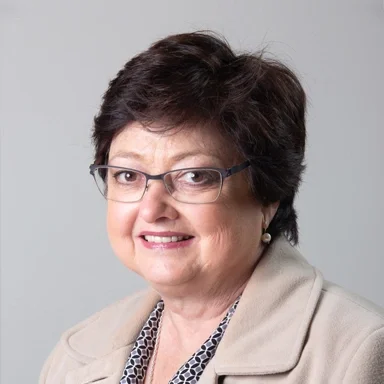
The GBV Centre is led by Carol van Zyl, a former Mediclinic senior executive, supported by Angeline de Vos, and is managed according to private-sector principles, ensuring efficiency, accountability and high professional standards.
The partnership with Mediclinic represents a first-of-its-kind approach in South Africa. Unlike the Thuthuzela Care Centres, which do not offer a fully integrated service model and often lack sufficiently trained staff, the Stellenbosch GBV Centre provides coordinated, end-to-end care under one roof.
In collaboration with Stellenbosch University, the Centre operates at an exceptionally high level of professionalism. A multidisciplinary leadership and advisory structure brings together expertise from healthcare, justice and social services, ensuring truly survivor-centred care.
Carol van Zyl
Collaborators
The Stellenbosch GBV Centre works in close collaboration with public health services, law enforcement, social services, and community partners.







Why this model works
Integrated care leads to better outcomes for survivors. Collaboration reduces duplication and system gaps.
Community anchoring increases trust, access, and sustainability.
Together, these elements create a model that responds not only to individual cases, but to broader community needs.
What this means for survivors
One safe place
Coordinated medical, psychosocial, legal, and social support
Choice, dignity, and agency
Continuity of care beyond the immediate crisis
Why this matters for society and funders
Safer families and stronger communities
Reduced long-term social and economic costs
More effective use of existing services through collaboration
A sustainable, locally anchored model with broader impact
Services
All in one safe place. Confidential. Compassionate. Available 24/7.
Health
Immediate medical care by trained professionals
HIV prevention (PEP) and emergency contraception within critical timeframes
Compassionate counselling and psychosocial support – even when there are no visible injuries
Trauma-informed care focused on safety, dignity, and recovery
Justice
Forensic medical examinations conducted with care and respect
Support with opening a case, if and when the survivor chooses to do so
Statements taken at the Centre to avoid additional trauma
Ongoing support throughout investigation and court processes
Support
On-site social workers and trained support staff available 24/7
Access to social services and long-term support pathways
Emergency accommodation when safety requires immediate shelter
Coordinated care through trusted public and private partners